


























Laatste kans met korting

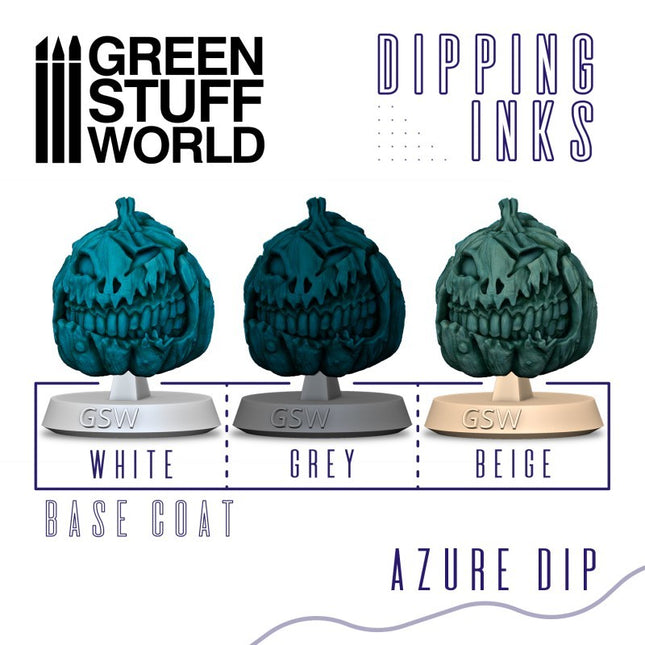
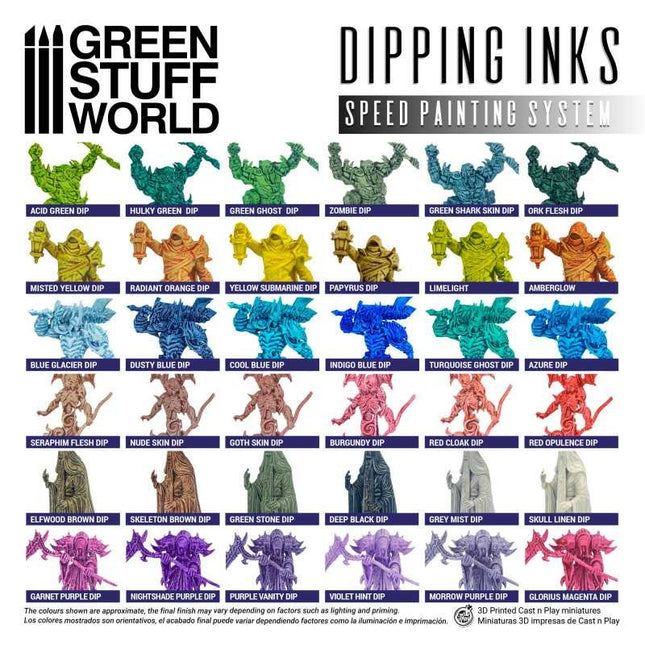
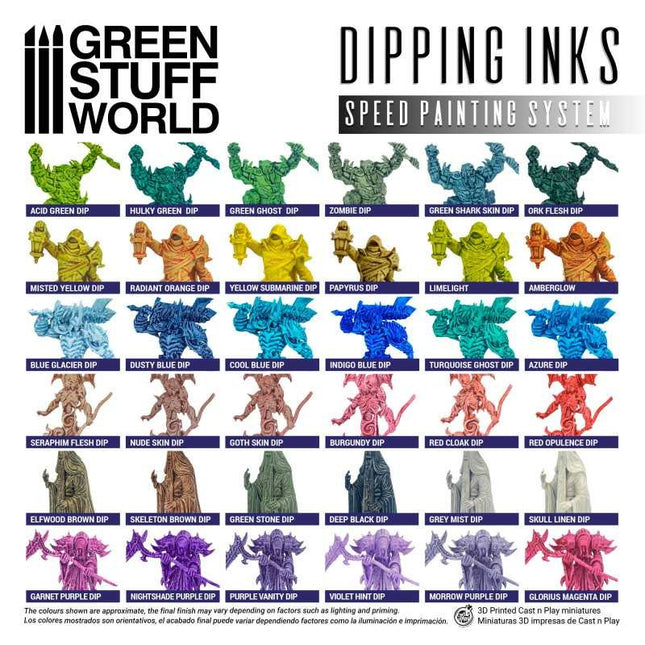
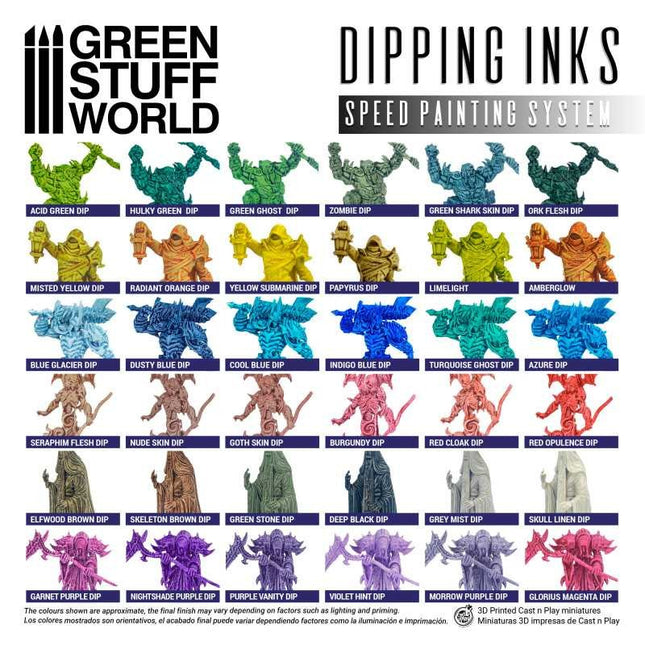
Dipping ink 60 ml - Azure 3496
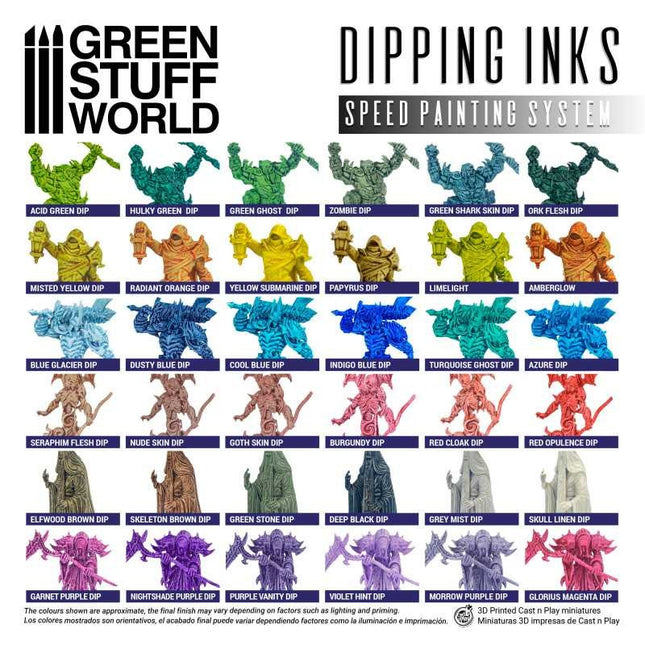
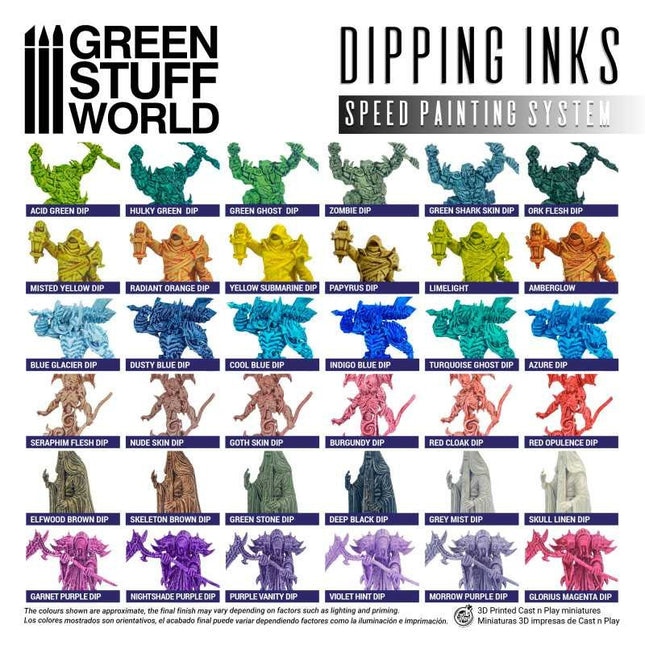
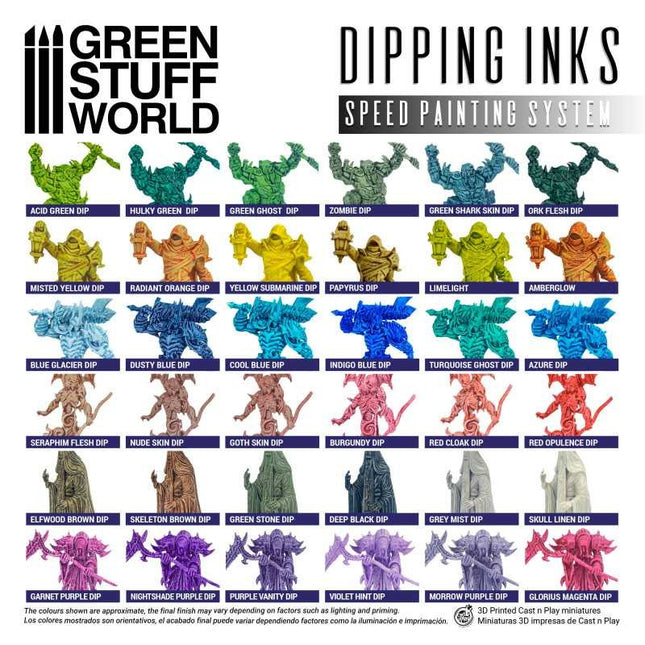
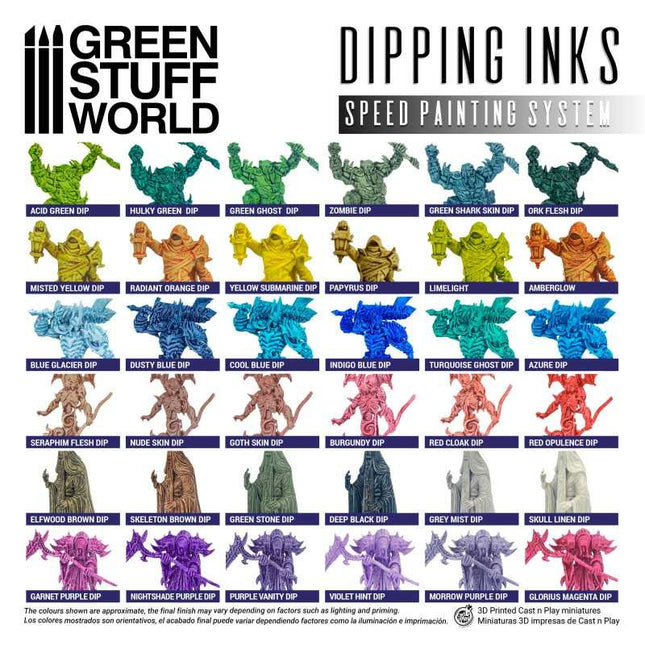
Dipping ink 60 ml Dipping ink semi-transparent paints help you to shade your figures more quickly and easily over a single coat of paint. Apply with a brush over a layer of matt white or a light colour to easily achieve realistic shadows in a single application of Dipping. The Dipping ink range is the best speedpainting solution on the market to contrast your miniatures and gain more time for the game. It can also be used by advanced painters taking advantage of its unique properties to mark shadows and volumes, blend and veil colours with ease, bring out the details of your figure quickly and use it as a starting point for more professional painting. These paints have been designed in a 60ml pot so that you have enough product to paint entire armies with ease. Contents: 1x Dipping ink in 60ml Colour: Azure #speed #paint #azure #dipping #ink #greenstuffworld
€5,00
-
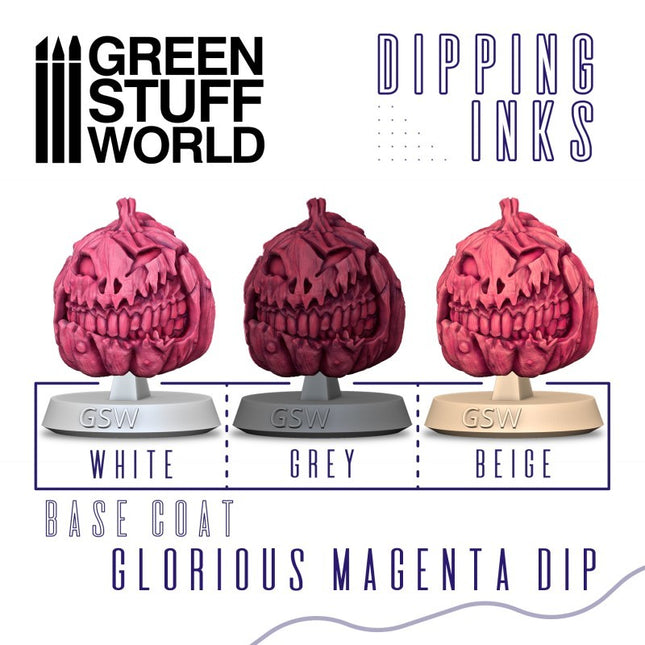
Dipping ink 60 ml - Glorious Magenta 3486
Dipping ink 60 ml Dipping ink semi-transparent paints help you to shade your figures more quickly and easily over a single coat of paint. Apply with a brush over a layer of matt white or a light colour to easily achieve realistic shadows in a single application of Dipping. The Dipping ink range is the best speedpainting solution on the market to contrast your miniatures and gain more time for the game. It can also be used by advanced painters taking advantage of its unique properties to mark shadows and volumes, blend and veil colours with ease, bring out the details of your figure quickly and use it as a starting point for more professional painting. These paints have been designed in a 60ml pot so that you have enough product to paint entire armies with ease. Contents: 1x Dipping ink in 60ml Colour: Glorious Magenta #speed #paint #glorious #magenta #dipping #ink #greenstuffworld
€5,00
-
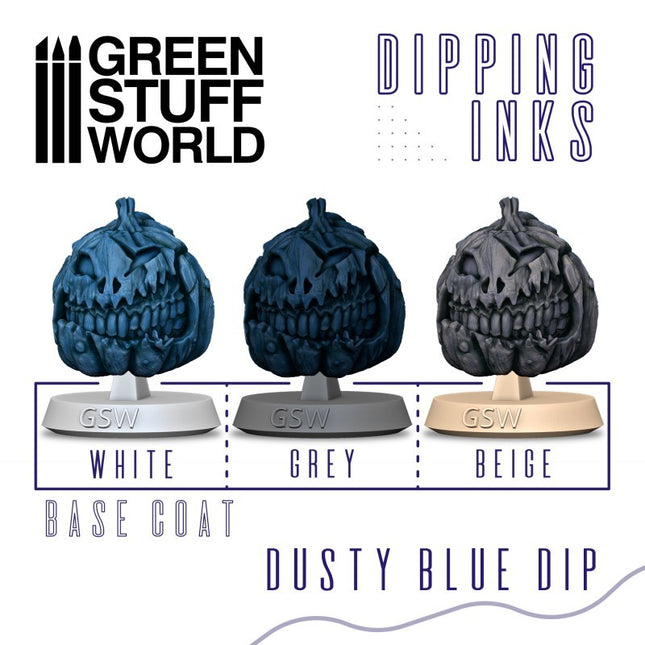
Dipping ink 60 ml - Dusty Blue 3489
Dipping ink 60 ml Dipping ink semi-transparent paints help you to shade your figures more quickly and easily over a single coat of paint. Apply with a brush over a layer of matt white or a light colour to easily achieve realistic shadows in a single application of Dipping. The Dipping ink range is the best speedpainting solution on the market to contrast your miniatures and gain more time for the game. It can also be used by advanced painters taking advantage of its unique properties to mark shadows and volumes, blend and veil colours with ease, bring out the details of your figure quickly and use it as a starting point for more professional painting. These paints have been designed in a 60ml pot so that you have enough product to paint entire armies with ease. Contents: 1x Dipping ink in 60ml Colour: Dusty Blue #speed #paint #dusty #blue #dipping #ink #greenstuffworld
€5,00
-
Dipping ink 60 ml - Grey Mist 3706
Dipping ink 60 ml Dipping ink semi-transparent paints help you to shade your figures more quickly and easily over a single coat of paint. Apply with a brush over a layer of matt white or a light colour to easily achieve realistic shadows in a single application of Dipping. The Dipping ink range is the best speed painting solution on the market to contrast your miniatures and gain more time for the game. It can also be used by advanced painters taking advantage of its unique properties to mark shadows and volumes, blend and glaze colours with ease, bring out the details of your figure quickly and use it as a starting point for more professional painting. These paints have been designed in a 60ml pot so that you have enough product to paint entire armies with ease. Contents: 1x Dipping ink in 60ml #speed #paint #3706 #grey #mist #dipping #ink #greenstuffworld
€5,00
-
Dipping ink 60 ml - Blue Glacier 3701
Dipping ink 60 ml Dipping ink semi-transparent paints help you to shade your figures more quickly and easily over a single coat of paint. Apply with a brush over a layer of matt white or a light colour to easily achieve realistic shadows in a single application of Dipping. The Dipping ink range is the best speed painting solution on the market to contrast your miniatures and gain more time for the game. It can also be used by advanced painters taking advantage of its unique properties to mark shadows and volumes, blend and glaze colours with ease, bring out the details of your figure quickly and use it as a starting point for more professional painting. These paints have been designed in a 60ml pot so that you have enough product to paint entire armies with ease. Contents: 1x Dipping ink in 60ml #speed #paint #3701 #blue #glacier #dipping #ink #greenstuffworld
€5,00
-
Dipping ink 60 ml - Goth Skin 3503
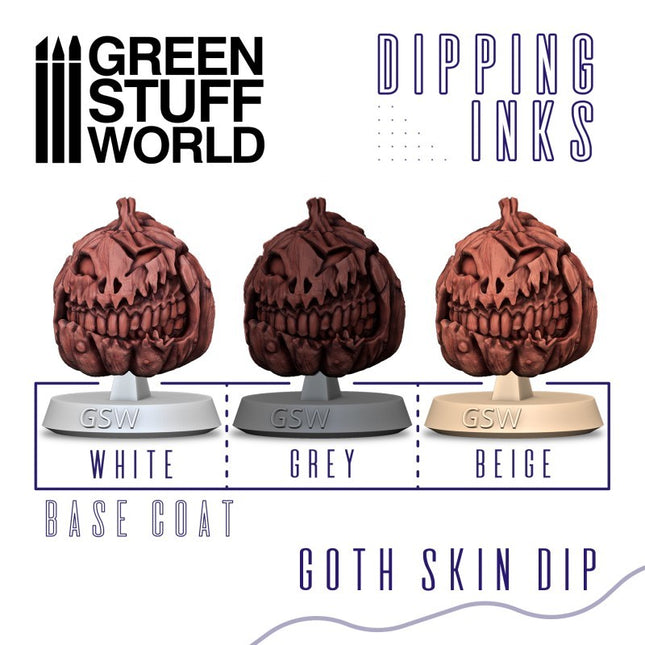
Dipping ink 60 ml Dipping ink semi-transparent paints help you to shade your figures more quickly and easily over a single coat of paint. Apply with a brush over a layer of matt white or a light colour to easily achieve realistic shadows in a single application of Dipping. The Dipping ink range is the best speedpainting solution on the market to contrast your miniatures and gain more time for the game. It can also be used by advanced painters taking advantage of its unique properties to mark shadows and volumes, blend and veil colours with ease, bring out the details of your figure quickly and use it as a starting point for more professional painting. These paints have been designed in a 60ml pot so that you have enough product to paint entire armies with ease. Contents: 1x Dipping ink in 60ml Colour: Goth Skin #speed #paint #goth #skin #dip #dipping #ink #greenstuffworld
€5,00
-
Dipping ink 60 ml - Radiant Orange 3483
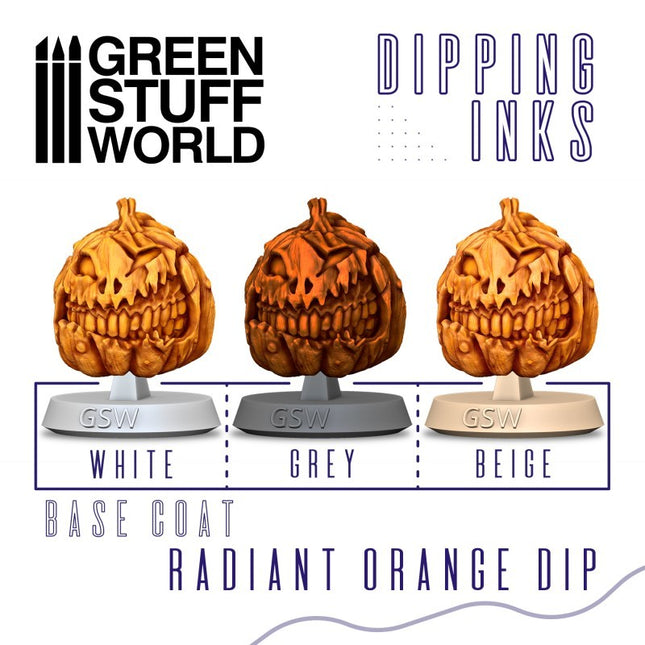
Dipping ink 60 ml Dipping ink semi-transparent paints help you to shade your figures more quickly and easily over a single coat of paint. Apply with a brush over a layer of matt white or a light colour to easily achieve realistic shadows in a single application of Dipping. The Dipping ink range is the best speedpainting solution on the market to contrast your miniatures and gain more time for the game. It can also be used by advanced painters taking advantage of its unique properties to mark shadows and volumes, blend and veil colours with ease, bring out the details of your figure quickly and use it as a starting point for more professional painting. These paints have been designed in a 60ml pot so that you have enough product to paint entire armies with ease. Contents: 1x Dipping ink in 60ml Colour: Radiant Orange #speed #paint #radiant #orange #dipping #ink #greenstuffworld
€5,00
-
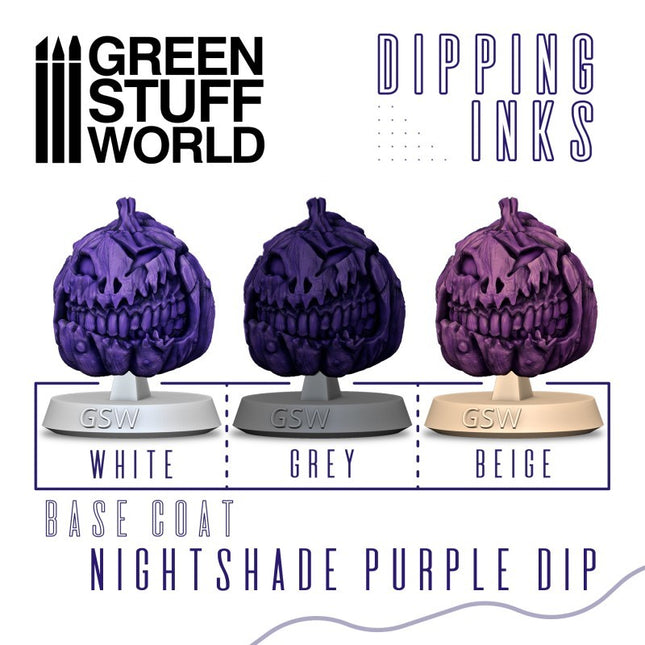
Dipping ink 60 ml - Nightshade Purple 3498
Dipping ink 60 ml Dipping ink semi-transparent paints help you to shade your figures more quickly and easily over a single coat of paint. Apply with a brush over a layer of matt white or a light colour to easily achieve realistic shadows in a single application of Dipping. The Dipping ink range is the best speedpainting solution on the market to contrast your miniatures and gain more time for the game. It can also be used by advanced painters taking advantage of its unique properties to mark shadows and volumes, blend and veil colours with ease, bring out the details of your figure quickly and use it as a starting point for more professional painting. These paints have been designed in a 60ml pot so that you have enough product to paint entire armies with ease. Contents: 1x Dipping ink in 60ml Colour: Nightshade Purple #speed #paint #nightshade #purple #dipping #ink #greenstuffworld
€5,00
-
Dipping ink 60 ml - Red Opulence 3707
Dipping ink 60 ml Dipping ink semi-transparent paints help you to shade your figures more quickly and easily over a single coat of paint. Apply with a brush over a layer of matt white or a light colour to easily achieve realistic shadows in a single application of Dipping. The Dipping ink range is the best speed painting solution on the market to contrast your miniatures and gain more time for the game. It can also be used by advanced painters taking advantage of its unique properties to mark shadows and volumes, blend and glaze colours with ease, bring out the details of your figure quickly and use it as a starting point for more professional painting. These paints have been designed in a 60ml pot so that you have enough product to paint entire armies with ease. Contents: 1x Dipping ink in 60ml #speed #paint #3707 #red #opulence #dipping #ink #greenstuffworld
€5,00
-
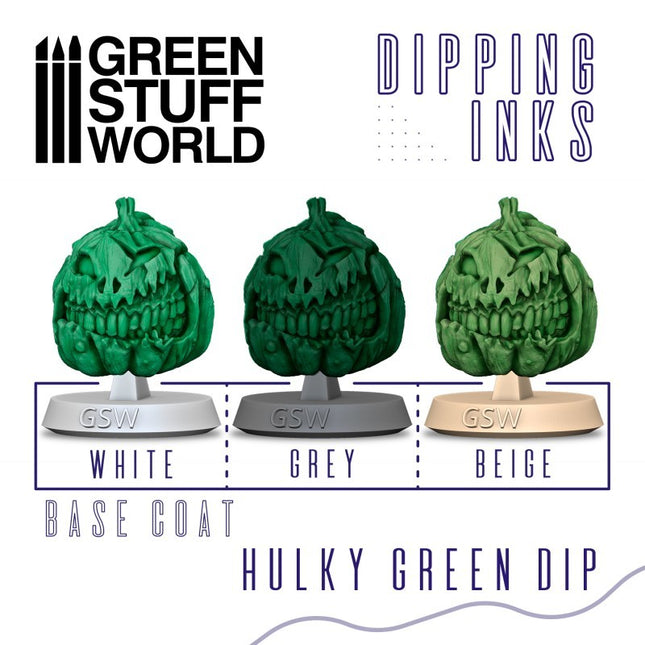
Dipping ink 60 ml - Hulky Green 3494
Dipping ink 60 ml Dipping ink semi-transparent paints help you to shade your figures more quickly and easily over a single coat of paint. Apply with a brush over a layer of matt white or a light colour to easily achieve realistic shadows in a single application of Dipping. The Dipping ink range is the best speedpainting solution on the market to contrast your miniatures and gain more time for the game. It can also be used by advanced painters taking advantage of its unique properties to mark shadows and volumes, blend and veil colours with ease, bring out the details of your figure quickly and use it as a starting point for more professional painting. These paints have been designed in a 60ml pot so that you have enough product to paint entire armies with ease. Contents: 1x Dipping ink in 60ml Colour: Hulky Green #speed #paint #green #hulky #dipping #ink #greenstuffworld
€5,00
-
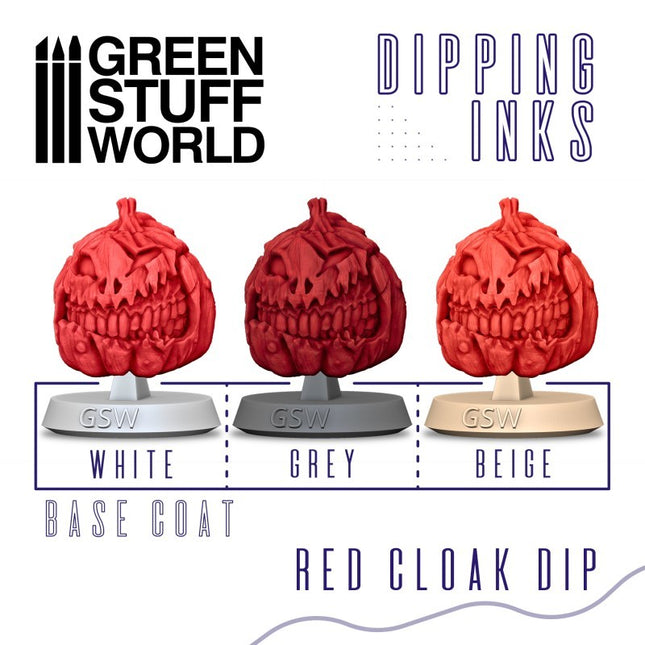
Dipping ink 60 ml - Red Cloak 3484
Dipping ink 60 ml Dipping ink semi-transparent paints help you to shade your figures more quickly and easily over a single coat of paint. Apply with a brush over a layer of matt white or a light colour to easily achieve realistic shadows in a single application of Dipping. The Dipping ink range is the best speedpainting solution on the market to contrast your miniatures and gain more time for the game. It can also be used by advanced painters taking advantage of its unique properties to mark shadows and volumes, blend and veil colours with ease, bring out the details of your figure quickly and use it as a starting point for more professional painting. These paints have been designed in a 60ml pot so that you have enough product to paint entire armies with ease. Contents: 1x Dipping ink in 60ml Colour: Red Cloak #speed #paint #red #cloak #dipping #ink #greenstuffworld
€5,00
-
Dipping ink 60 ml - Yellow Submarine Dip 3698
Dipping ink 60 ml Dipping ink semi-transparent paints help you to shade your figures more quickly and easily over a single coat of paint. Apply with a brush over a layer of matt white or a light colour to easily achieve realistic shadows in a single application of Dipping. The Dipping ink range is the best speed painting solution on the market to contrast your miniatures and gain more time for the game. It can also be used by advanced painters taking advantage of its unique properties to mark shadows and volumes, blend and glaze colours with ease, bring out the details of your figure quickly and use it as a starting point for more professional painting. These paints have been designed in a 60ml pot so that you have enough product to paint entire armies with ease. Contents: 1x Dipping ink in 60ml #speed #paint #yellow #submarine #dipping #ink #greenstuffworld
€5,00
-
Dipping ink 60 ml - Cool Blue 3488
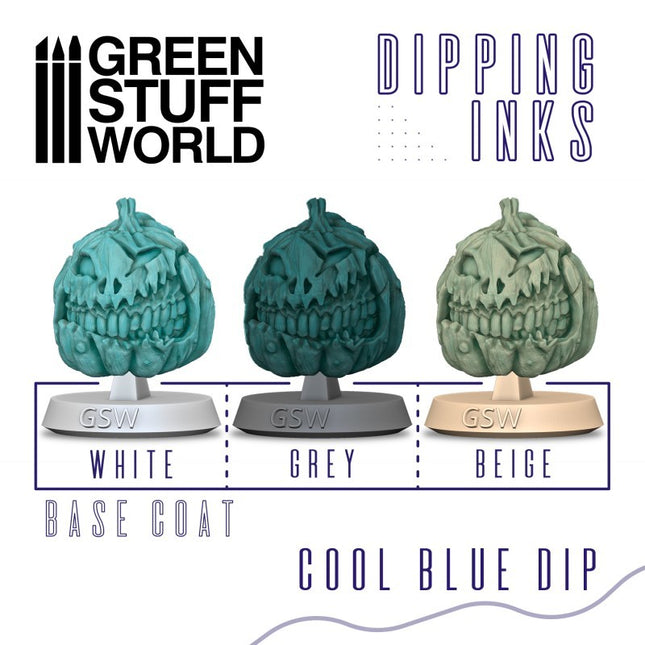
Dipping ink 60 ml Dipping ink semi-transparent paints help you to shade your figures more quickly and easily over a single coat of paint. Apply with a brush over a layer of matt white or a light colour to easily achieve realistic shadows in a single application of Dipping. The Dipping ink range is the best speedpainting solution on the market to contrast your miniatures and gain more time for the game. It can also be used by advanced painters taking advantage of its unique properties to mark shadows and volumes, blend and veil colours with ease, bring out the details of your figure quickly and use it as a starting point for more professional painting. These paints have been designed in a 60ml pot so that you have enough product to paint entire armies with ease. Contents: 1x Dipping ink in 60ml Colour: Cool Blue #speed #paint #coll #blue #dipping #ink #greenstuffworld
€5,00
-
Dipping ink 60 ml - Turquoise Ghost 3502
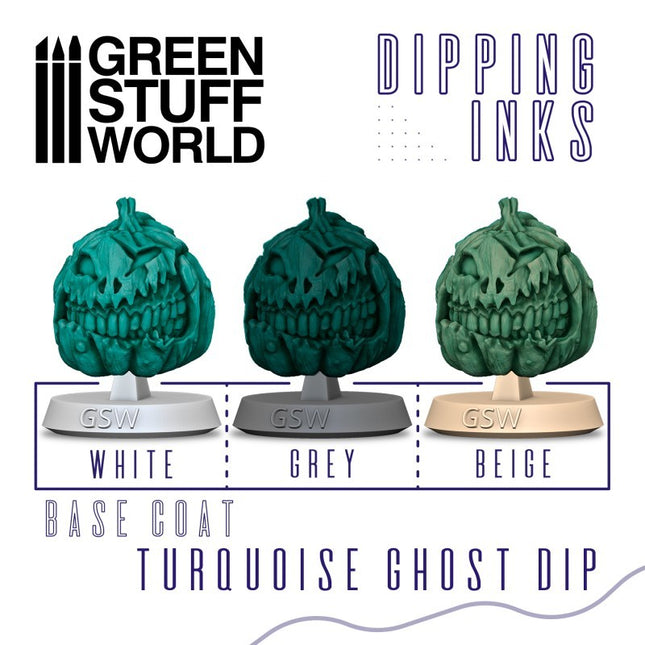
Dipping ink 60 ml Dipping ink semi-transparent paints help you to shade your figures more quickly and easily over a single coat of paint. Apply with a brush over a layer of matt white or a light colour to easily achieve realistic shadows in a single application of Dipping. The Dipping ink range is the best speedpainting solution on the market to contrast your miniatures and gain more time for the game. It can also be used by advanced painters taking advantage of its unique properties to mark shadows and volumes, blend and veil colours with ease, bring out the details of your figure quickly and use it as a starting point for more professional painting. These paints have been designed in a 60ml pot so that you have enough product to paint entire armies with ease. Contents: 1x Dipping ink in 60ml Colour: Turquoise Ghost #speed #paint #turquoise #ghost #dip #dipping #ink #greenstuffworld
€5,00
-
Dipping ink 60 ml - Garnet Purple 3485
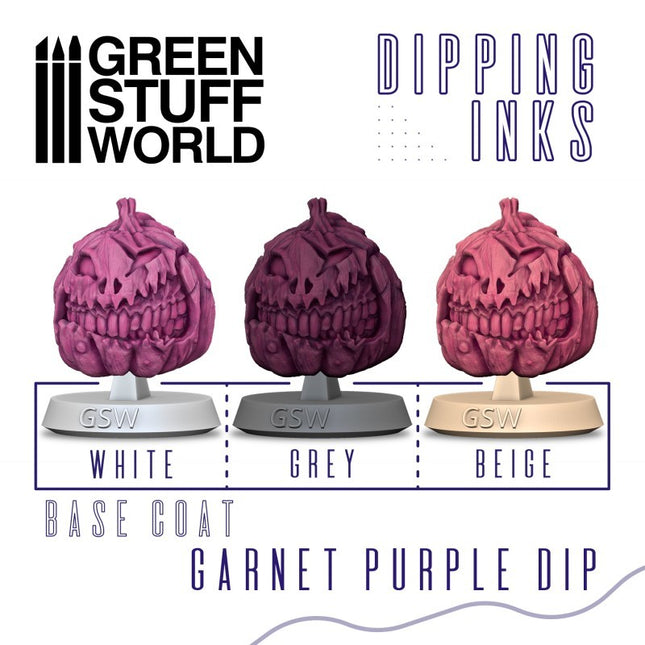
Dipping ink 60 ml Dipping ink semi-transparent paints help you to shade your figures more quickly and easily over a single coat of paint. Apply with a brush over a layer of matt white or a light colour to easily achieve realistic shadows in a single application of Dipping. The Dipping ink range is the best speedpainting solution on the market to contrast your miniatures and gain more time for the game. It can also be used by advanced painters taking advantage of its unique properties to mark shadows and volumes, blend and veil colours with ease, bring out the details of your figure quickly and use it as a starting point for more professional painting. These paints have been designed in a 60ml pot so that you have enough product to paint entire armies with ease. Contents: 1x Dipping ink in 60ml Colour: Garnet Purple #speed #paint #garnet #purple #dipping #ink #greenstuffworld
€5,00
-
Opaque Colors - Feral Brown
Range of extra opaque acrylic colors, including white opaque for model making and handicrafts. This range is a specially developed line of paints designed for hobby modeling and miniature painting including 24 unsaturated opaque colors in pigmentation but with a high coverage capacity. They are not transparent or see-through and when applied to a surface, they cover what's underneath, hiding any previous layers or simply using fewer coats, most of the time just one coat. They are thicker and have a high pigment concentration, which makes them excellent for achieving solid and vibrant color coverage. They are commonly used in crafts, and hobbies like model painting, to create rich and creative finishes. Use them as a base paint to start your projects, or in those places where high coverage is necessary. Complement them with other model paints or inks to add saturation and color intensity. Dilute it with water or acrylic thinner to be able to use it with an airbrush. This range is sold in dropper bottles with a metal agitator ball that will allow you a quick mixing. This type of dropper bottle, with the help of its nozzle, will also extend a lot of its shelf life by practically isolating contact with air. Content: 1x 17ml
€2,70
-
Dipping ink 60 ml - Purple Vanity 3704
Dipping ink 60 ml Dipping ink semi-transparent paints help you to shade your figures more quickly and easily over a single coat of paint. Apply with a brush over a layer of matt white or a light colour to easily achieve realistic shadows in a single application of Dipping. The Dipping ink range is the best speed painting solution on the market to contrast your miniatures and gain more time for the game. It can also be used by advanced painters taking advantage of its unique properties to mark shadows and volumes, blend and glaze colours with ease, bring out the details of your figure quickly and use it as a starting point for more professional painting. These paints have been designed in a 60ml pot so that you have enough product to paint entire armies with ease. Contents: 1x Dipping ink in 60ml #speed #paint #3704 #vanity #purple #dipping #ink #greenstuffworld
€5,00
-
Opaque Colors - Dead Flesh
Range of extra opaque acrylic colors, including white opaque for model making and handicrafts. This range is a specially developed line of paints designed for hobby modeling and miniature painting including 24 unsaturated opaque colors in pigmentation but with a high coverage capacity. They are not transparent or see-through and when applied to a surface, they cover what's underneath, hiding any previous layers or simply using fewer coats, most of the time just one coat. They are thicker and have a high pigment concentration, which makes them excellent for achieving solid and vibrant color coverage. They are commonly used in crafts, and hobbies like model painting, to create rich and creative finishes. Use them as a base paint to start your projects, or in those places where high coverage is necessary. Complement them with other model paints or inks to add saturation and color intensity. Dilute it with water or acrylic thinner to be able to use it with an airbrush. This range is sold in dropper bottles with a metal agitator ball that will allow you a quick mixing. This type of dropper bottle, with the help of its nozzle, will also extend a lot of its shelf life by practically isolating contact with air. Content: 1x 17ml
€2,70
-
Dipping ink 60 ml - Green Shark Skin 3705
Dipping ink 60 ml Dipping ink semi-transparent paints help you to shade your figures more quickly and easily over a single coat of paint. Apply with a brush over a layer of matt white or a light colour to easily achieve realistic shadows in a single application of Dipping. The Dipping ink range is the best speed painting solution on the market to contrast your miniatures and gain more time for the game. It can also be used by advanced painters taking advantage of its unique properties to mark shadows and volumes, blend and glaze colours with ease, bring out the details of your figure quickly and use it as a starting point for more professional painting. These paints have been designed in a 60ml pot so that you have enough product to paint entire armies with ease. Contents: 1x Dipping ink in 60ml #speed #paint #3705 #green #shark #skin #dipping #ink #greenstuffworld
€5,00
-
Dipping ink 60 ml - Violet Hint 3702
Dipping ink 60 ml Dipping ink semi-transparent paints help you to shade your figures more quickly and easily over a single coat of paint. Apply with a brush over a layer of matt white or a light colour to easily achieve realistic shadows in a single application of Dipping. The Dipping ink range is the best speed painting solution on the market to contrast your miniatures and gain more time for the game. It can also be used by advanced painters taking advantage of its unique properties to mark shadows and volumes, blend and glaze colours with ease, bring out the details of your figure quickly and use it as a starting point for more professional painting. These paints have been designed in a 60ml pot so that you have enough product to paint entire armies with ease. Contents: 1x Dipping ink in 60ml #speed #paint #3702 #violet #hint #dipping #ink #greenstuffworld
€5,00
-
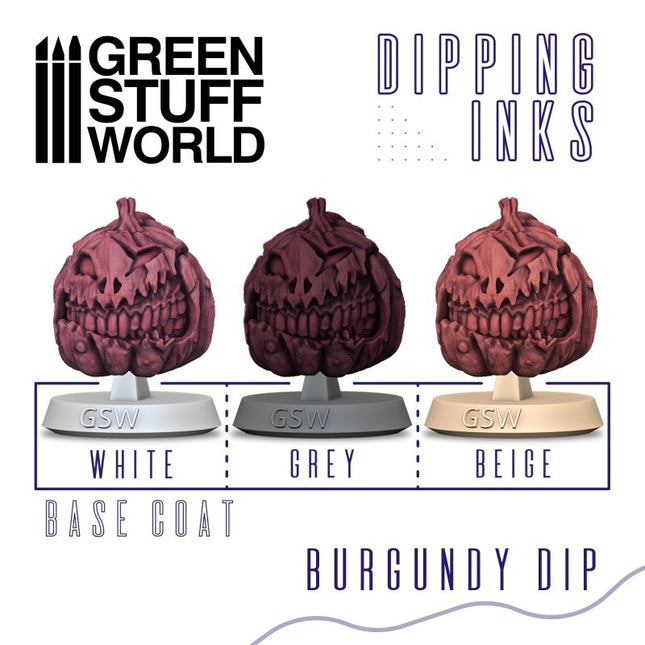
Dipping ink 60 ml - Burgundy 3504
Dipping ink 60 ml Dipping ink semi-transparent paints help you to shade your figures more quickly and easily over a single coat of paint. Apply with a brush over a layer of matt white or a light colour to easily achieve realistic shadows in a single application of Dipping. The Dipping ink range is the best speedpainting solution on the market to contrast your miniatures and gain more time for the game. It can also be used by advanced painters taking advantage of its unique properties to mark shadows and volumes, blend and veil colours with ease, bring out the details of your figure quickly and use it as a starting point for more professional painting. These paints have been designed in a 60ml pot so that you have enough product to paint entire armies with ease. Contents: 1x Dipping ink in 60ml Colour: Burgundy #speed #paint #burgundy #dip #dipping #ink #greenstuffworld
€5,00
-
Opaque Colors - Firethorn Brown
Range of extra opaque acrylic colors, including white opaque for model making and handicrafts. This range is a specially developed line of paints designed for hobby modeling and miniature painting including 24 unsaturated opaque colors in pigmentation but with a high coverage capacity. They are not transparent or see-through and when applied to a surface, they cover what's underneath, hiding any previous layers or simply using fewer coats, most of the time just one coat. They are thicker and have a high pigment concentration, which makes them excellent for achieving solid and vibrant color coverage. They are commonly used in crafts, and hobbies like model painting, to create rich and creative finishes. Use them as a base paint to start your projects, or in those places where high coverage is necessary. Complement them with other model paints or inks to add saturation and color intensity. Dilute it with water or acrylic thinner to be able to use it with an airbrush. This range is sold in dropper bottles with a metal agitator ball that will allow you a quick mixing. This type of dropper bottle, with the help of its nozzle, will also extend a lot of its shelf life by practically isolating contact with air. Content: 1x 17ml
€2,70
-
Opaque Colors - Golden Brown
Range of extra opaque acrylic colors, including white opaque for model making and handicrafts. This range is a specially developed line of paints designed for hobby modeling and miniature painting including 24 unsaturated opaque colors in pigmentation but with a high coverage capacity. They are not transparent or see-through and when applied to a surface, they cover what's underneath, hiding any previous layers or simply using fewer coats, most of the time just one coat. They are thicker and have a high pigment concentration, which makes them excellent for achieving solid and vibrant color coverage. They are commonly used in crafts, and hobbies like model painting, to create rich and creative finishes. Use them as a base paint to start your projects, or in those places where high coverage is necessary. Complement them with other model paints or inks to add saturation and color intensity. Dilute it with water or acrylic thinner to be able to use it with an airbrush. This range is sold in dropper bottles with a metal agitator ball that will allow you a quick mixing. This type of dropper bottle, with the help of its nozzle, will also extend a lot of its shelf life by practically isolating contact with air. Content: 1x 17ml
€2,70
-
Opaque Colors - Blazing Yellow
Range of extra opaque acrylic colors, including white opaque for model making and handicrafts. This range is a specially developed line of paints designed for hobby modeling and miniature painting including 24 unsaturated opaque colors in pigmentation but with a high coverage capacity. They are not transparent or see-through and when applied to a surface, they cover what's underneath, hiding any previous layers or simply using fewer coats, most of the time just one coat. They are thicker and have a high pigment concentration, which makes them excellent for achieving solid and vibrant color coverage. They are commonly used in crafts, and hobbies like model painting, to create rich and creative finishes. Use them as a base paint to start your projects, or in those places where high coverage is necessary. Complement them with other model paints or inks to add saturation and color intensity. Dilute it with water or acrylic thinner to be able to use it with an airbrush. This range is sold in dropper bottles with a metal agitator ball that will allow you a quick mixing. This type of dropper bottle, with the help of its nozzle, will also extend a lot of its shelf life by practically isolating contact with air. Content: 1x 17ml
€2,70
-
Dipping ink 60 ml - Morrow Purple 3703
Dipping ink 60 ml Dipping ink semi-transparent paints help you to shade your figures more quickly and easily over a single coat of paint. Apply with a brush over a layer of matt white or a light colour to easily achieve realistic shadows in a single application of Dipping. The Dipping ink range is the best speed painting solution on the market to contrast your miniatures and gain more time for the game. It can also be used by advanced painters taking advantage of its unique properties to mark shadows and volumes, blend and glaze colours with ease, bring out the details of your figure quickly and use it as a starting point for more professional painting. These paints have been designed in a 60ml pot so that you have enough product to paint entire armies with ease. Contents: 1x Dipping ink in 60ml #speed #paint #3703 #morrow #purple #dipping #ink #greenstuffworld
€5,00
-
Opaque Colors - Donkey Grey
Range of extra opaque acrylic colors, including white opaque for model making and handicrafts. This range is a specially developed line of paints designed for hobby modeling and miniature painting including 24 unsaturated opaque colors in pigmentation but with a high coverage capacity. They are not transparent or see-through and when applied to a surface, they cover what's underneath, hiding any previous layers or simply using fewer coats, most of the time just one coat. They are thicker and have a high pigment concentration, which makes them excellent for achieving solid and vibrant color coverage. They are commonly used in crafts, and hobbies like model painting, to create rich and creative finishes. Use them as a base paint to start your projects, or in those places where high coverage is necessary. Complement them with other model paints or inks to add saturation and color intensity. Dilute it with water or acrylic thinner to be able to use it with an airbrush. This range is sold in dropper bottles with a metal agitator ball that will allow you a quick mixing. This type of dropper bottle, with the help of its nozzle, will also extend a lot of its shelf life by practically isolating contact with air. Content: 1x 17ml
€2,70
-
Blue Wolf Touch Dry Brush 30 ml
Dry brush paint Dry brushing is a popular technique used in the scale modeling and wargaming community for creating a variety of effects. This technique involves using brushes with a small amount of paint to selectively highlight raised areas of a model, terrain piece, or miniature figure. Dry brush paints are specifically designed and are thicker than traditional ones and have a higher pigment concentration, allowing the user to layer gradually to build up the desired effect and therefore making them ideal for creating a more subtle effect. They have a unique texture and consistency, which can help to create specific effects such as rust, weathering, or stone texture. It is important to use a good quality, flat or round brush with flexible bristles. This will help to create the desired effect and ensure that the paint is applied evenly and without damaging their bristles. The brush should be loaded with a small amount of paint, and the excess should be removed before applying it to the model or terrain piece. This will help to prevent clumping and ensure that the paint is applied smoothly. These paints are a great option for those who are new to the dry brushing technique, which can be used in a variety of applications, from highlighting the details of miniature figures to creating a weathered appearance on vehicles and terrain pieces. It is a versatile technique that can be used on a range of surfaces. Common uses in modeling for Dry Brush Paints These paints, in particular, are often used in this Dry Brushing technique. Here are some common uses in modeling: Highlighting details: They are often used to highlight the details on miniature figures, such as wrinkles in clothing, facial features, and weapons. Creating weathering effects: They are ideal for creating weathering effects on models, such as rust, dirt, and grime. By lightly dragging a dry paintbrush loaded with paint over the surface of the model, it creates a worn, weathered appearance. Adding texture: They can be used to add texture to a model's surface. For example, a dry brush with silver can be used to create the appearance of scratches on metal surfaces. Enhancing contrast: They can also be used to enhance contrast on a model's surface, creating a more visually appealing appearance. This is particularly useful when painting terrain pieces or large models. Painting scenery: They can be used to paint scenery, such as rocks, trees, and buildings. By using a dry brushing technique, it creates a more realistic appearance with subtle shades and highlights. Content: 30ml #dry #brush #paint #greenstuffworld #modeling #blue #wolf #touch
€3,80€3,00
-
Opaque Colors - Blue Base
Range of extra opaque acrylic colors, including white opaque for model making and handicrafts. This range is a specially developed line of paints designed for hobby modeling and miniature painting including 24 unsaturated opaque colors in pigmentation but with a high coverage capacity. They are not transparent or see-through and when applied to a surface, they cover what's underneath, hiding any previous layers or simply using fewer coats, most of the time just one coat. They are thicker and have a high pigment concentration, which makes them excellent for achieving solid and vibrant color coverage. They are commonly used in crafts, and hobbies like model painting, to create rich and creative finishes. Use them as a base paint to start your projects, or in those places where high coverage is necessary. Complement them with other model paints or inks to add saturation and color intensity. Dilute it with water or acrylic thinner to be able to use it with an airbrush. This range is sold in dropper bottles with a metal agitator ball that will allow you a quick mixing. This type of dropper bottle, with the help of its nozzle, will also extend a lot of its shelf life by practically isolating contact with air. Content: 1x 17ml
€2,70
-
Opaque Colors - Putrid Green
Range of extra opaque acrylic colors, including white opaque for model making and handicrafts. This range is a specially developed line of paints designed for hobby modeling and miniature painting including 24 unsaturated opaque colors in pigmentation but with a high coverage capacity. They are not transparent or see-through and when applied to a surface, they cover what's underneath, hiding any previous layers or simply using fewer coats, most of the time just one coat. They are thicker and have a high pigment concentration, which makes them excellent for achieving solid and vibrant color coverage. They are commonly used in crafts, and hobbies like model painting, to create rich and creative finishes. Use them as a base paint to start your projects, or in those places where high coverage is necessary. Complement them with other model paints or inks to add saturation and color intensity. Dilute it with water or acrylic thinner to be able to use it with an airbrush. This range is sold in dropper bottles with a metal agitator ball that will allow you a quick mixing. This type of dropper bottle, with the help of its nozzle, will also extend a lot of its shelf life by practically isolating contact with air. Content: 1x 17ml
€2,70
-
Opaque Colors - Wilted Green
Range of extra opaque acrylic colors, including white opaque for model making and handicrafts. This range is a specially developed line of paints designed for hobby modeling and miniature painting including 24 unsaturated opaque colors in pigmentation but with a high coverage capacity. They are not transparent or see-through and when applied to a surface, they cover what's underneath, hiding any previous layers or simply using fewer coats, most of the time just one coat. They are thicker and have a high pigment concentration, which makes them excellent for achieving solid and vibrant color coverage. They are commonly used in crafts, and hobbies like model painting, to create rich and creative finishes. Use them as a base paint to start your projects, or in those places where high coverage is necessary. Complement them with other model paints or inks to add saturation and color intensity. Dilute it with water or acrylic thinner to be able to use it with an airbrush. This range is sold in dropper bottles with a metal agitator ball that will allow you a quick mixing. This type of dropper bottle, with the help of its nozzle, will also extend a lot of its shelf life by practically isolating contact with air. Content: 1x 17ml
€2,70
-
Opaque Colors - Granite Grey
Range of extra opaque acrylic colors, including white opaque for model making and handicrafts. This range is a specially developed line of paints designed for hobby modeling and miniature painting including 24 unsaturated opaque colors in pigmentation but with a high coverage capacity. They are not transparent or see-through and when applied to a surface, they cover what's underneath, hiding any previous layers or simply using fewer coats, most of the time just one coat. They are thicker and have a high pigment concentration, which makes them excellent for achieving solid and vibrant color coverage. They are commonly used in crafts, and hobbies like model painting, to create rich and creative finishes. Use them as a base paint to start your projects, or in those places where high coverage is necessary. Complement them with other model paints or inks to add saturation and color intensity. Dilute it with water or acrylic thinner to be able to use it with an airbrush. This range is sold in dropper bottles with a metal agitator ball that will allow you a quick mixing. This type of dropper bottle, with the help of its nozzle, will also extend a lot of its shelf life by practically isolating contact with air. Content: 1x 17ml
€2,70
-
Opaque Colors - Scab Red
Range of extra opaque acrylic colors, including white opaque for model making and handicrafts. This range is a specially developed line of paints designed for hobby modeling and miniature painting including 24 unsaturated opaque colors in pigmentation but with a high coverage capacity. They are not transparent or see-through and when applied to a surface, they cover what's underneath, hiding any previous layers or simply using fewer coats, most of the time just one coat. They are thicker and have a high pigment concentration, which makes them excellent for achieving solid and vibrant color coverage. They are commonly used in crafts, and hobbies like model painting, to create rich and creative finishes. Use them as a base paint to start your projects, or in those places where high coverage is necessary. Complement them with other model paints or inks to add saturation and color intensity. Dilute it with water or acrylic thinner to be able to use it with an airbrush. This range is sold in dropper bottles with a metal agitator ball that will allow you a quick mixing. This type of dropper bottle, with the help of its nozzle, will also extend a lot of its shelf life by practically isolating contact with air. Content: 1x 17ml
€2,70
-
Acrylic Brick molds - Hexagonal Pavement
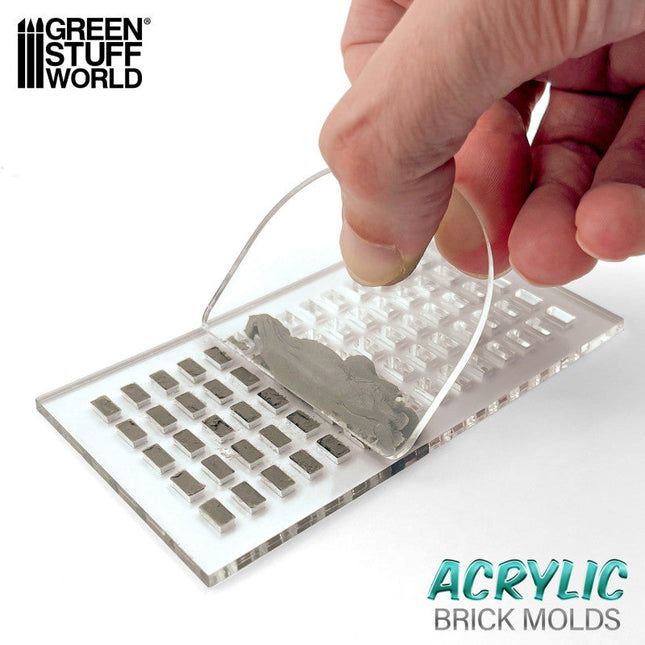
Elevate your dioramas to an unparalleled level of realism with our acrylic molds for modeling regular bricks. These accessories will allow you to create an infinite number of them with precision and consistency, adding authenticity and depth to your creations. They are specifically designed to create miniature regular bricks for use in scale modeling projects. Each model features a variety of patterns and textures that replicate real ones and that modelers will use to shape the air-drying clay. Our acrylic modeling molds are perfectly complemented by air-drying pastes such as modeling clay, foam clay, and similar products. These options guarantee a faithful and detailed reproduction for your diorama. Instructions for use: Using acrylic brick molds is a straightforward process, but it requires some care to ensure you get the best results. Here's a step-by-step guide on how to use these molds: Prepare the mold: Ensure that your acrylic brick mold is clean and dry. Make sure it's free of any debris or dust. Cover one side of the mold to hold the pieces. You can do this process with baking paper, wet oven paper, mylar plastic, or even airbrush masking tape. Place the mold on a flat surface: Find a flat and stable surface where you can work comfortably. Place the mold with the paper side down to prevent sticking. Add air-drying clay: Take a ball of air-drying clay and place it on the mold. Use your fingers to gently press and work the clay into the cavities of the mold. Make sure you fill each brick cavity completely. You may need to adjust the amount of clay to achieve your desired brick size and thickness. Level the surface: Use the included plastic spatula or the edge of another mold to drag/scrape across the surface of the mold, skimming off any excess clay. This will ensure that the surface is even and smooth. Let it dry: Allow the clay to dry completely. The air-drying paste has a small degree of shrinkage as it dries, which will help the pieces release from the mold. Remove the paper: Once the clay is completely dry, carefully peel off the paper tape from the back of the mold. This will help release the hobby bricks. Remove the pieces: Use a blunt stick (like the reverse end of a brush) to gently push out the individual bricks from the mold. Be careful not to apply too much pressure, as you don't want to damage the delicate acrylic mold. Smooth the edges: To give your bricks a more realistic look and get rid of any sharp edges, gently rub small amounts of them together between the palms of your hands. This will soften the edges and make the bricks look more like real bricks. Use the bricks: You can now use the air-dried clay bricks for your crafting or construction project. We recommend gluing the pieces with PVA glue or an acrylic sealer such as decoupe product (like ModPodge) to secure the pieces. Remember to handle the acrylic mold with care, as it's not as flexible as rubber or silicon molds and can break if bent. With our methacrylate molds, your dioramas will come to life with authentic and captivating details - unleash your creativity and build sets that tell stories of their own! Take your projects to the next level of excellence with this essential accessory for lovers of high-quality dioramas. Quantity: 2x pack Scale: 1:35 (1:48-1:32) The thickness of the pieces: 3 mm Brick size: 2.85 x 5.7 mm Mould size: 6 x 11 cm
€10,00€7,00
-
Opaque Colors - Pickle Green
Range of extra opaque acrylic colors, including white opaque for model making and handicrafts. This range is a specially developed line of paints designed for hobby modeling and miniature painting including 24 unsaturated opaque colors in pigmentation but with a high coverage capacity. They are not transparent or see-through and when applied to a surface, they cover what's underneath, hiding any previous layers or simply using fewer coats, most of the time just one coat. They are thicker and have a high pigment concentration, which makes them excellent for achieving solid and vibrant color coverage. They are commonly used in crafts, and hobbies like model painting, to create rich and creative finishes. Use them as a base paint to start your projects, or in those places where high coverage is necessary. Complement them with other model paints or inks to add saturation and color intensity. Dilute it with water or acrylic thinner to be able to use it with an airbrush. This range is sold in dropper bottles with a metal agitator ball that will allow you a quick mixing. This type of dropper bottle, with the help of its nozzle, will also extend a lot of its shelf life by practically isolating contact with air. Content: 1x 17ml
€2,70
-
Opaque Colors - Orange Peel
Range of extra opaque acrylic colors, including white opaque for model making and handicrafts. This range is a specially developed line of paints designed for hobby modeling and miniature painting including 24 unsaturated opaque colors in pigmentation but with a high coverage capacity. They are not transparent or see-through and when applied to a surface, they cover what's underneath, hiding any previous layers or simply using fewer coats, most of the time just one coat. They are thicker and have a high pigment concentration, which makes them excellent for achieving solid and vibrant color coverage. They are commonly used in crafts, and hobbies like model painting, to create rich and creative finishes. Use them as a base paint to start your projects, or in those places where high coverage is necessary. Complement them with other model paints or inks to add saturation and color intensity. Dilute it with water or acrylic thinner to be able to use it with an airbrush. This range is sold in dropper bottles with a metal agitator ball that will allow you a quick mixing. This type of dropper bottle, with the help of its nozzle, will also extend a lot of its shelf life by practically isolating contact with air. Content: 1x 17ml
€2,70
-
Opaque Colors - Dark Rose Tan
Range of extra opaque acrylic colors, including white opaque for model making and handicrafts. This range is a specially developed line of paints designed for hobby modeling and miniature painting including 24 unsaturated opaque colors in pigmentation but with a high coverage capacity. They are not transparent or see-through and when applied to a surface, they cover what's underneath, hiding any previous layers or simply using fewer coats, most of the time just one coat. They are thicker and have a high pigment concentration, which makes them excellent for achieving solid and vibrant color coverage. They are commonly used in crafts, and hobbies like model painting, to create rich and creative finishes. Use them as a base paint to start your projects, or in those places where high coverage is necessary. Complement them with other model paints or inks to add saturation and color intensity. Dilute it with water or acrylic thinner to be able to use it with an airbrush. This range is sold in dropper bottles with a metal agitator ball that will allow you a quick mixing. This type of dropper bottle, with the help of its nozzle, will also extend a lot of its shelf life by practically isolating contact with air. Content: 1x 17ml
€2,70